
ADDIS ABABA — 25 November 2026
Ethiopia's drive to build homegrown digital health systems and self-reliant public healthcare has drawn widespread interest across Africa as Addis Ababa hosts more than 30,000 delegates from over 100 countries at the continent's flagship health summit.
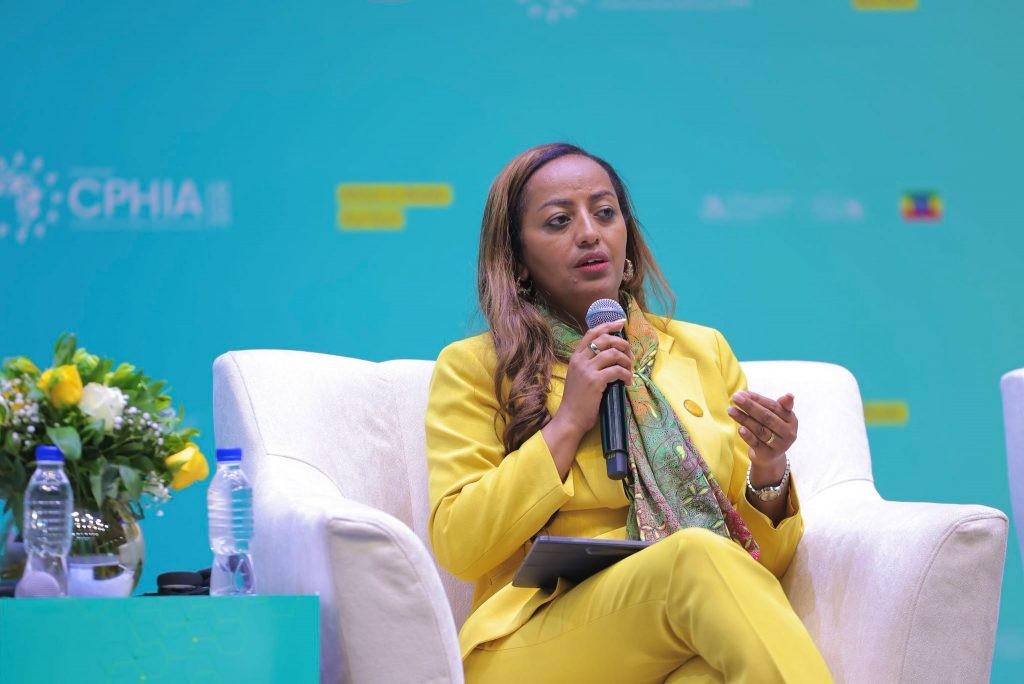
Speaking on Wednesday on the sidelines of the Fifth International Conference on Public Health in Africa (CPHIA 2026) at the Addis International Convention Centre, Ethiopian Minister of Health Mekdes Daba said the gathering has given visiting delegations a direct look at Ethiopia's reforms in primary care, medical referral networks and health technology.
According to the state-run Ethiopian News Agency and Fana Media Corporation, Dr Mekdes said several countries have expressed keen interest in adopting Ethiopia's healthcare models and digital platforms—creating fresh openings for technical cooperation and knowledge exchange across the continent.
Community health platforms draw continental interest
Central to Ethiopia's showcase is its Electronic Community Health Information System (eCHIS), a digital platform that equips community Health Extension Workers to monitor, track and manage frontline healthcare delivery more efficiently.
Dr Mekdes noted that participation at the five-day summit, which runs from 23 to 27 November and is co-hosted by the Government of Ethiopia and the Africa Centres for Disease Control and Prevention (Africa CDC), extends well beyond health ministries. More than 46 ministers responsible for finance, planning, agriculture and environmental protection are also attending alongside public health leaders.
She said Ethiopia is using health diplomacy to strengthen Africa's voice in global health governance and ensure the continent moves from being a passive recipient of external policies to an active contributor and driver of its own solutions.
Abiy Ahmed's push for African health sovereignty
At the summit's opening on Monday, Prime Minister Abiy Ahmed urged African states to invest in domestic research institutions, laboratories, medical training and local pharmaceutical manufacturing to reduce reliance on external aid.
Africa CDC reported that Ethiopia presented its continental digital health leadership during the ceremony, highlighting investments in electronic health records, digital public infrastructure and connected hospital networks.
"A midwife in a remote district should be able to consult a specialist when complications arise," Dr Abiy said. "A doctor in a regional hospital should be able to share an image for expert review. And a patient's medical record should follow them securely from one facility to the next. Distance should no longer mean working alone."
The Prime Minister also set out three priorities for continental cooperation: building centres of medical excellence, expanding collective purchasing of African-manufactured medicines and health supplies, and enforcing stronger accountability for delivery.
Turning summits into continental action
The conference convenes amid tighter external health funding across the continent, sharpening the focus on domestic budgets and regional integration. African Union Commission Chairperson Mahmoud Ali Youssouf urged member states to renew efforts toward the Abuja Declaration target of allocating at least 15 percent of national budgets to health, while accelerating local vaccine and medicine production through the African Continental Free Trade Area.
Leaders also launched an African Union maternal and child health roadmap for 2026–2030 aimed at eliminating preventable maternal and newborn deaths, home deliveries without skilled care, and unvaccinated children.
For Ethiopia, Dr Mekdes said years of hosting major continental and international gatherings laid the groundwork for CPHIA 2026—cementing Addis Ababa's standing not only as the diplomatic capital of Africa, but as a testing ground for practical health reform.