
ADDIS ABABA — 24 November 2026
Ethiopia's water and energy minister has told Egypt to stop blaming the Blue Nile for shortages of its own making and to modernise the way it uses the river.
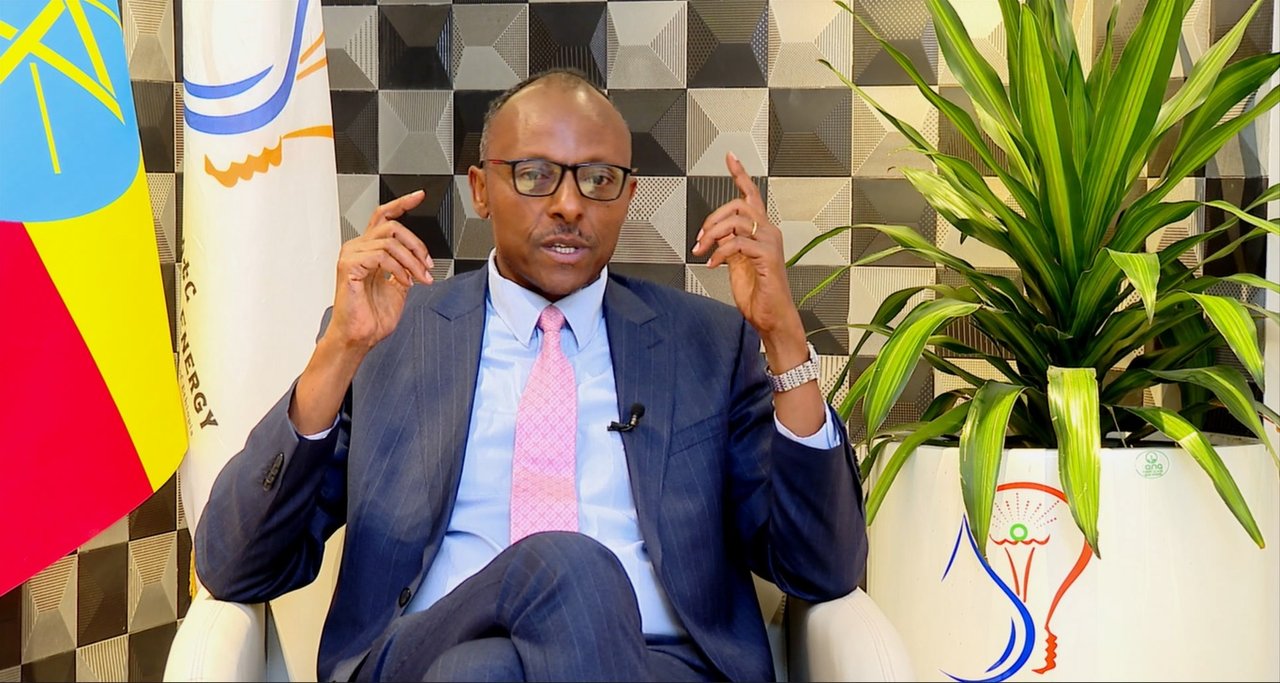
In an interview with the state-run Ethiopian News Agency published on Tuesday, Habtamu Itefa said Cairo should deal with losses from inefficient irrigation, evaporation and water-hungry farming rather than blaming upstream countries "for pursuing their legitimate development aspirations."
"They don't have to point their finger toward Ethiopia; they have to look at their own yard and consume water efficiently, not abuse it," the minister said.
The remarks, delivered in an exclusive interview, set out Addis Ababa's latest public case on the Nile. The figures and criticisms of Egyptian irrigation, crops and canals are the minister's own. They have not been independently audited for this report, and by Tuesday evening no public reply had been issued by Egypt's foreign or irrigation ministries in the sources reviewed.
Flood irrigation, rice and desert canals
Mr Habtamu took particular aim at Egypt's continued use of traditional flood irrigation in a hot and arid climate, arguing that the practice loses large volumes of water to evaporation. He pointed to the cultivation of water-intensive crops, including rice on more than 500,000 hectares and sugarcane on more than 100,000 hectares, as major drains on the country's supply.
He also questioned the diversion of Nile water into desert reclamation schemes in the Toshka Valley and the Sinai Peninsula. Those projects, he said, waste water that could be used more carefully closer to the river.
Instead of attributing its difficulties to Ethiopia's development work along the Abay, or Blue Nile, Egypt should invest in modern irrigation, tighter water management and less thirsty farming, the minister said.
A demand for consultation
Mr Habtamu then turned to the question of who should be consulted when a Nile state builds on the river. Egypt, he said, should drop unilateral approaches and recognise Ethiopia's development interests when it plans projects that could affect a shared resource.
"Whenever they go for any development, they have to have consent from Ethiopia because Ethiopia also has a plan," he said. Referring to reports that Egypt intends to build a new city, he argued that Cairo should speak to Addis Ababa first. "They have to stop unilateral actions."
He listed the Aswan High Dam, the Toshka Canal and the Al-Salam, or Peace, Canal toward Sinai as large Egyptian works undertaken without Ethiopia's participation or consent. He also cited the 1959 Nile Waters Agreement between Egypt and Sudan, which divided the river's flow between the two downstream states and left Ethiopia and other upstream countries out.
Against that history he set the 2015 Declaration of Principles on the Grand Ethiopian Renaissance Dam, signed in Khartoum by the leaders of Ethiopia, Egypt and Sudan. Ethiopia, he said, had developed the dam in line with that agreement, and he called on Egypt to show a similar commitment to consultation and compromise.
ENA did not name the new Egyptian city. Reporting elsewhere has previously described large desert-city and New Delta irrigation schemes west of Cairo that would draw Nile water through new canals. Those plans were not independently confirmed in the minister's interview.
A joint offer on the Blue Nile
The minister did not confine himself to criticism. He proposed joint investment in water infrastructure across the Nile Basin, especially along the Blue Nile, arguing that shared dams and other works could create economic opportunities for all riparian states.
He said sustainable answers would require flexibility, mutual understanding and compromise, and he urged Cairo to choose constructive dialogue rather than opposition to Ethiopia's development plans. Equitable use, cooperation and mutual respect, he said, should govern the river.
Ethiopia's growing water and energy needs, he added, must be recognised as the country tries to serve a population of about 130 million, while taking downstream interests into account. ENA said the Blue Nile contributes more than 86 percent of the Nile's annual flow, giving Ethiopia a significant stake in how the river is used.
The interview lands in a period of sharper public argument over the river. Ethiopia inaugurated the Grand Ethiopian Renaissance Dam in September 2025. Egypt, which depends on the Nile for nearly all of its fresh water, has repeatedly said any cut in its share would threaten its security, and has previously described the dam as a danger because it is operated without a binding agreement on filling and operation. Those are Egypt's stated positions, not findings established in the minister's interview.
Mr Habtamu's message on Tuesday was simpler, and it was aimed squarely at Cairo: look to your own irrigation, crops and canals first, consult Ethiopia before building on a shared river, and consider building together on the Blue Nile. Whether Egypt answers in the same terms will shape the next round of a dispute that has already outlasted several governments on both banks.