
Ethiopia and the United States have restated their intention to deepen economic ties, after talks in Addis Ababa focused on trade, investment and cooperation on a major new airport project. The Ethiopian News Agency reported that Finance Minister Fitsum Assefa met a United States Department of Commerce delegation led by Mark Mitchell, deputy assistant secretary for Africa, on 21 November 2026.
According to ENA, the discussion centred on economic reforms and bilateral commercial partnerships, with an emphasis on expanding trade, mobilising investment and opening new opportunities for private-sector collaboration. The Ethiopian side, ENA said, highlighted progress in advancing economic reforms and improving the business and investment environment. Officials restated the government’s commitment to sustaining those efforts and to creating greater opportunities for international investors, including American companies.
Mitchell, for his part, expressed interest in strengthening trade and commercial relations with Ethiopia and in encouraging greater engagement by United States firms in the country, the agency reported. Both sides, it said, reaffirmed the value of continued dialogue and closer engagement as a way to expand trade and investment and to build a stronger foundation for mutually beneficial economic partnership.
A central item on the agenda was the Bishoftu International Airport project. ENA said the two sides discussed the development as a significant opportunity for United States–Ethiopia economic collaboration. They recognised the involvement of the Export-Import Bank of the United States and the United States International Development Finance Corporation in efforts to mobilise financing for the project, and underlined the importance of continued cooperation to advance the initiative and to encourage broader American participation.
The announcement described that institutional engagement as part of a process of mobilising finance, rather than as the conclusion of a final loan or a signed investment contract. Even so, the presence of the two American agencies in the discussion is a notable expression of official interest in a project that Ethiopia has placed at the centre of its aviation plans.
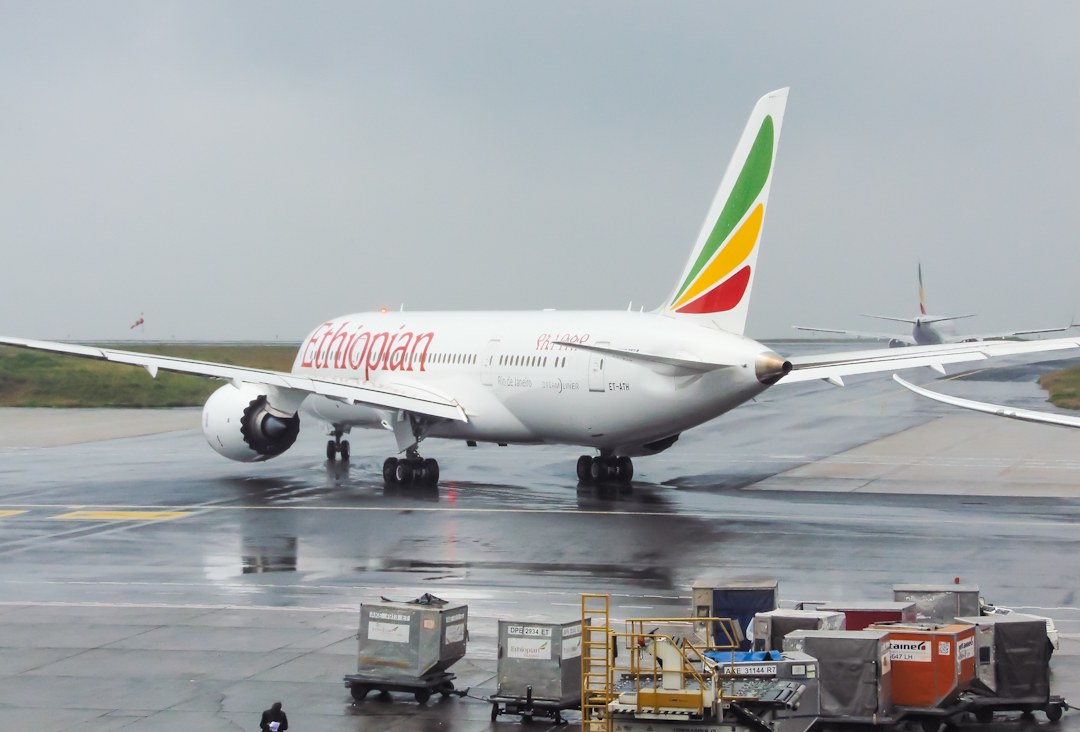
The new airport is planned at Bishoftu, about 40 kilometres from Addis Ababa, and has been presented in official and press accounts as a complement to Addis Ababa Bole International Airport, the country’s existing international gateway. The project is closely tied to the growth of Ethiopian Airlines, which already connects the country to markets across Africa and the wider world. Fana Broadcasting Corporate has reported that the airline was founded in 1945, began operations in April 1946, and now serves more than 145 international passenger and cargo destinations. That network has made aviation one of Ethiopia’s most visible economic assets.
A new international airport is intended to support that growth, ease pressure on existing facilities and strengthen Ethiopia’s position as a transport and logistics hub. Earlier press reports have described the Bishoftu development as a multi-billion-dollar project with a long construction timetable and a first phase designed to raise passenger capacity well beyond that of the present gateway. Those earlier figures have varied in the reporting, and the 21 November announcement did not attach a new official cost or capacity number to the talks. What ENA did report was that both sides treated the project as a significant opening for practical cooperation.
For American companies, that cooperation could mean work in aviation infrastructure, technology and related services, as well as a deeper commercial relationship with one of Africa’s leading carriers. The Export-Import Bank and the International Development Finance Corporation are the institutions through which the United States often supports large overseas projects that involve American goods, services or investment. Their named engagement, as reported by ENA, is therefore a signal of official interest, even before any final financing package is announced.
The meeting also belongs to a broader effort to present Ethiopia as a destination for investment. ENA reported that the Ethiopian side used the discussion to point to reforms already under way and to an improved climate for business. The American delegation, by travelling to Addis Ababa and placing trade, investment and the airport on the same agenda, signalled that Washington is paying attention to those changes.
Neither government announced a completed financing package on 21 November. What they did announce was a shared intention to keep talking, to widen commercial contact and to treat the Bishoftu project as a practical test of that cooperation. For Ethiopia, the value of the meeting lies in that combination: a hearing for its reform programme, a show of interest from American institutions in a flagship infrastructure plan, and a public commitment by both sides to a closer economic relationship.