
KINSHASA — 26 November 2026
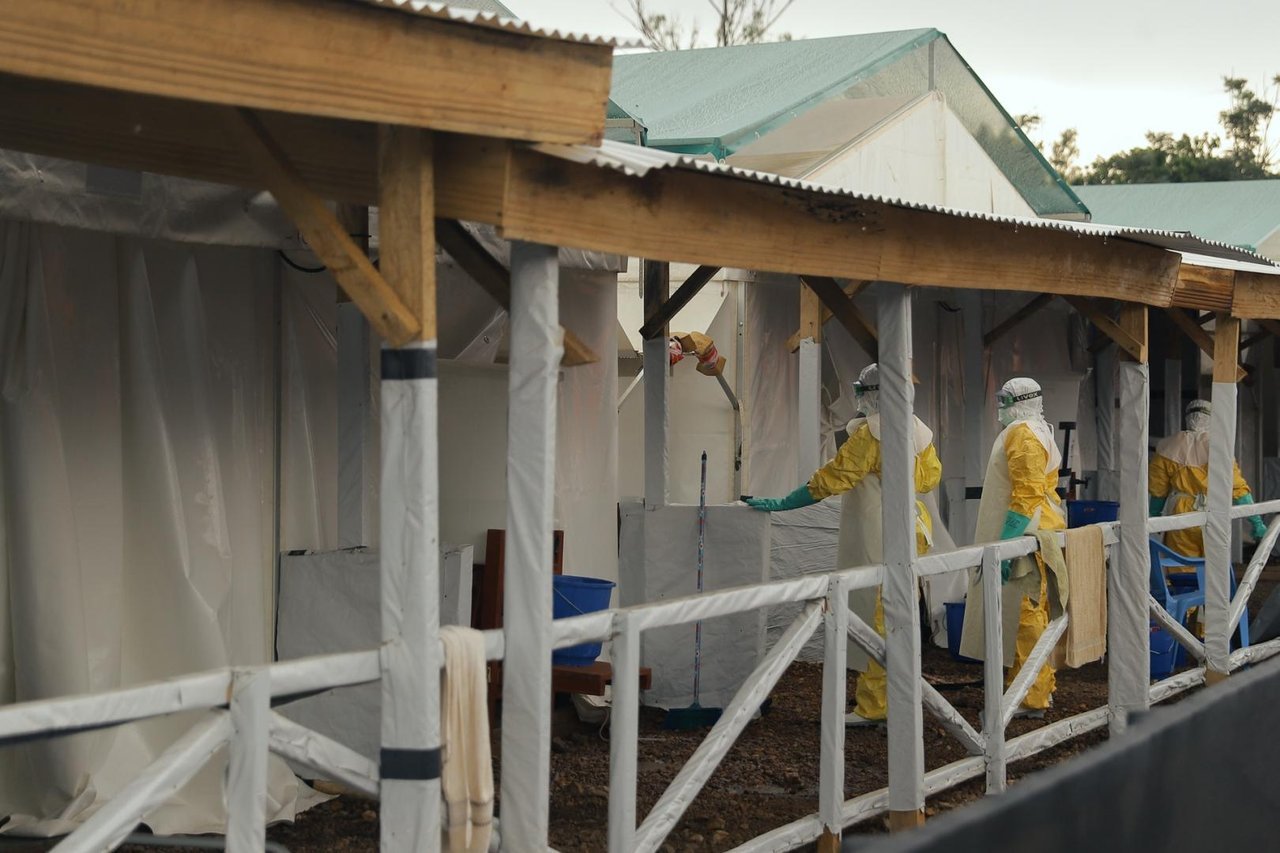
Confirmed Ebola cases in the Democratic Republic of the Congo have passed 12,000, according to government data released on Thursday, as fighting in the east disrupts efforts to contain what international reports have described as the country's deadliest outbreak on record.
Al Jazeera, citing Associated Press and Reuters reporting, said the figures stood at 12,021 confirmed infections and 5,904 deaths.
The outbreak, caused by the Bundibugyo species of the Ebola virus, was declared in mid-May in Ituri province in the north-east of the country. Cases have since been reported in eight of the DRC's 26 provinces. Al Jazeera, again citing AP and Reuters, reported that there are no approved treatments or vaccines for this species.
Fighting forces teams out of the field
Health officials and humanitarian workers said on Wednesday that Ebola response staff had been forced to leave affected areas as violence in the east worsened.
The United Nations mission said clashes had intensified in recent days in Ituri between the Congolese army and fighters from the Convention for the Popular Revolution, or CRP, displacing civilians. The group is led by Thomas Lubanga, who was convicted by the International Criminal Court in 2012 of conscripting child soldiers. It declared a unilateral ceasefire in May, but fighting has continued, the same reports said.
Catherine Smallwood, the World Health Organization's Ebola incident manager, said about a dozen people, including two WHO personnel and Congolese health officials, were evacuated to Bunia after three days trapped in a hospital in Akwe, north-east of the provincial capital, amid intense crossfire.
"They were caught really in the crossfire, very intense fighting, and we managed to evacuate them," Ms Smallwood said.
Sandrine Buju, a humanitarian worker involved in the response, told the Associated Press that her team came under gunfire on Monday while returning to Bunia after training community volunteers. "We were surprised by gunfire about 15 metres (50ft) from where we were," she said. "I was very frightened." The team sought protection at a UN peacekeeping base and was later escorted through areas of fighting towards Bunia.
A long emergency, still spreading
In a 15 November assessment, the World Health Organization said the outbreak was still expanding, particularly in areas affected by conflict, displacement and wider humanitarian need. That earlier briefing, issued before this week's official case total, said hundreds of new cases were still being reported each week and that insecurity remained one of the greatest obstacles to the response.
WHO said then that most of the early epicentres had been brought under control, diagnostic capacity had expanded, and thousands of community health workers had been trained. It also said those gains remained fragile and required a halt in hostilities to protect communities and health workers.
Thursday's government figures show the epidemic has continued to grow since that mid-month account. Response teams now face the twin task of treating a record caseload and reaching communities in districts where fighting has closed the road.