
South Sudan is asking investors to put new money into its oilfields at the same moment that, according to reporting by OilPrice, the country’s exports are being divided, under pressure, between the two sides in Sudan’s civil war.
In an article published on 10 November 2026, OilPrice said Juba is courting fresh capital for 14 exploration blocks and a production increase from roughly 170,000 barrels a day to 230,000. The government-backed South Sudan Oil and Power conference, it said, is due to put that proposition before investors in Juba at the end of November. Organisers, according to the same report, place current production at 170,000 barrels a day and describe 230,000 as a short-term target. A petroleum ministry official was reported to have put production at 175,000 barrels a day in August, with a lower target of 200,000 barrels a day by August 2027.
Those figures describe oil as it leaves the ground in South Sudan. Getting it to market is another matter. Almost all of the country’s crude still has to cross Sudan to reach the Red Sea. OilPrice said tanker tracking recorded eight cargoes carrying 4.8 million barrels from Sudan’s two Red Sea terminals in October, equivalent to combined Sudanese and South Sudanese exports of 155,000 barrels a day. It noted that public data provide no current country breakdown, and no reconciliation, between South Sudan’s reported wellhead production and the volumes loaded at the coast.
The routes themselves are held by different forces. Crude from Blocks 1, 2 and 4 enters the Greater Nile pipeline through Heglig in West Kordofan. OilPrice reported that Sudan’s paramilitary Rapid Support Forces displaced the Sudanese Armed Forces there in December 2025. A tripartite agreement, it said, placed security inside the complex with the South Sudan People’s Defence Forces. South Sudanese troops now protect the installation, while the RSF dominates the surrounding territory and the Sudanese army controls the Red Sea terminals at the other end of the line.
That division, the report argued, determines who is paid. A September account, citing unnamed oil-industry sources, said Juba gives the RSF 4 dollars of the 11 dollars charged on each South Sudanese barrel crossing territory under its control, with the army-aligned authorities receiving the remaining 7 dollars. That split has not been independently confirmed in a public official statement, and OilPrice was careful to source it to unnamed industry figures. It also said no published account identifies whether the RSF’s current share is delivered in oil, cash or export proceeds. South Sudan has previously settled pipeline obligations with crude.
The army’s portion, the report said, is more than a fee for operating a pipeline. It cited an assessment by Janes that Sudanese processing and transit fees provide revenue used to sustain army operations. The RSF, in this account, collects a share in exchange for allowing the crude to cross territory it controls. Any investor financing production connected to Heglig, OilPrice concluded, would add barrels to a trade that pays both forces.
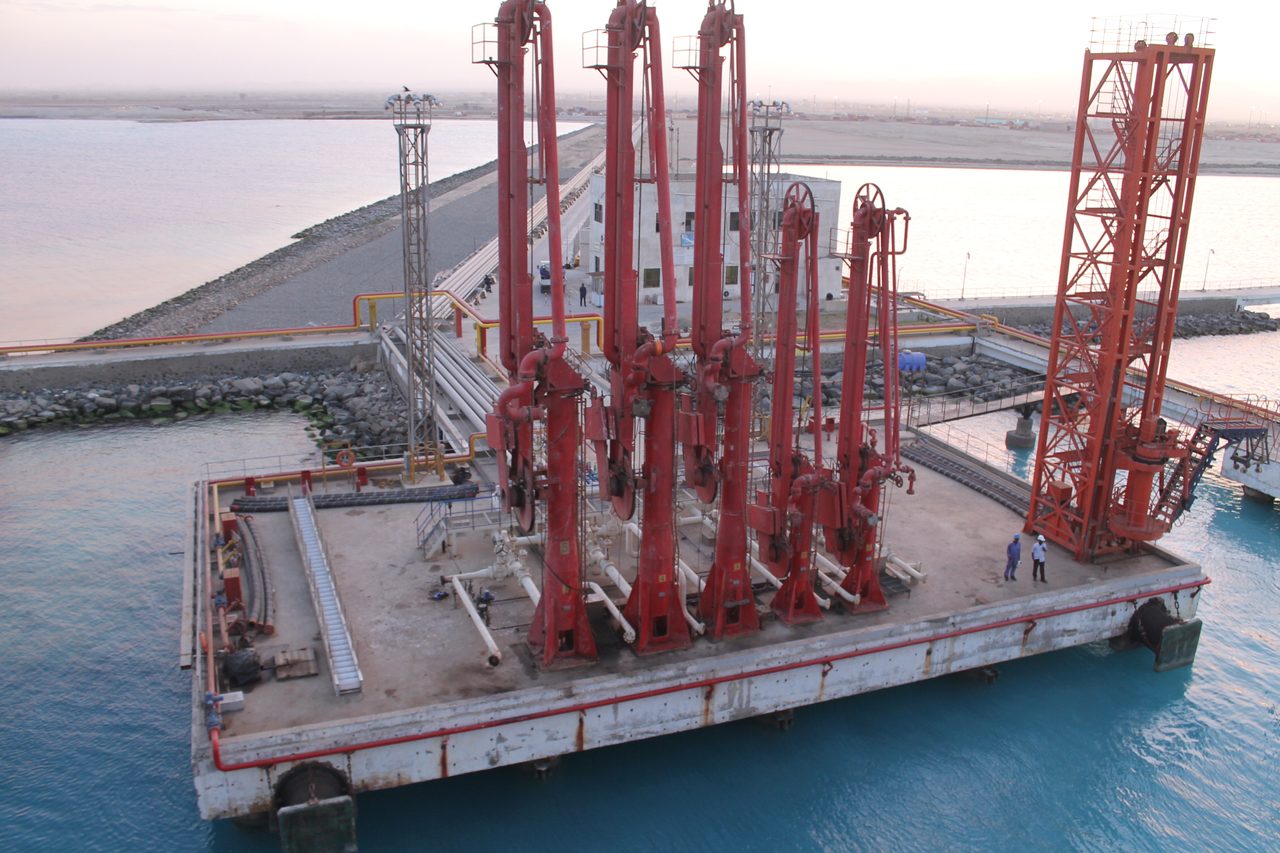
South Sudan’s second export line avoids Heglig, but it does not avoid the war. The Petrodar pipeline carries Dar Blend from Blocks 3 and 7 at Paloch through six pumping stations in Sudan to the Bashair terminal on the Red Sea. A rupture in February 2024, the report said, cut South Sudan’s exports by roughly two-thirds and reduced production from about 150,000 barrels a day to 62,000. Fighting prevented technicians from reaching the line and interrupted deliveries of diesel needed to heat the waxy crude. Full flows resumed in April 2025, followed by repeated drone attacks on Sudanese oil installations.
The shutdown had a brutal effect at home. OilPrice said the interruption contracted South Sudan’s economy by an estimated 24 per cent in fiscal 2025. Oil supplied 89 per cent of government revenue available to the budget in 2024 and nearly all export earnings between 2021 and 2024. Suspending exports, the report noted, would deprive the Sudanese forces of income only after eliminating most of Juba’s own revenue.
A proposed 350-kilometre pipeline from Tharjiath to Paloch would move Block 5A crude from its current Heglig connection into the Petrodar system. That would trade exposure to the RSF-controlled corridor for another route across Sudan terminating at an army-held port. The World Bank, OilPrice said, has judged that proposed pipelines to Kenya or Djibouti carry high estimated costs and would require a larger, sustained production base to become economically viable.
The timing of the investor push is not accidental. OilPrice linked Juba’s ambitions to the launch of the Africa Energy Bank. Afreximbank and the African Petroleum Producers’ Organisation formally established the institution in Abuja on 31 October, with 5 billion dollars in authorised capital. The organisation’s secretary-general, Farid Ghezali, was quoted as saying the bank had raised 500 million dollars for deployment and would begin making investment decisions.
Fresh capital can finance wells inside South Sudan. It cannot, on the evidence assembled in the OilPrice report, secure an uncontested passage through Sudan. Reaching the organisers’ short-term target of 230,000 barrels a day, from about 170,000, would mean adding roughly 60,000 barrels a day. Any new oil, the report said, would use the same two routes: the Greater Nile line through RSF-held territory, or Petrodar to an army-held coast.
That is the offer waiting in Juba at the end of the month: more barrels, 14 blocks, and a journey to the sea that still runs through a war.