
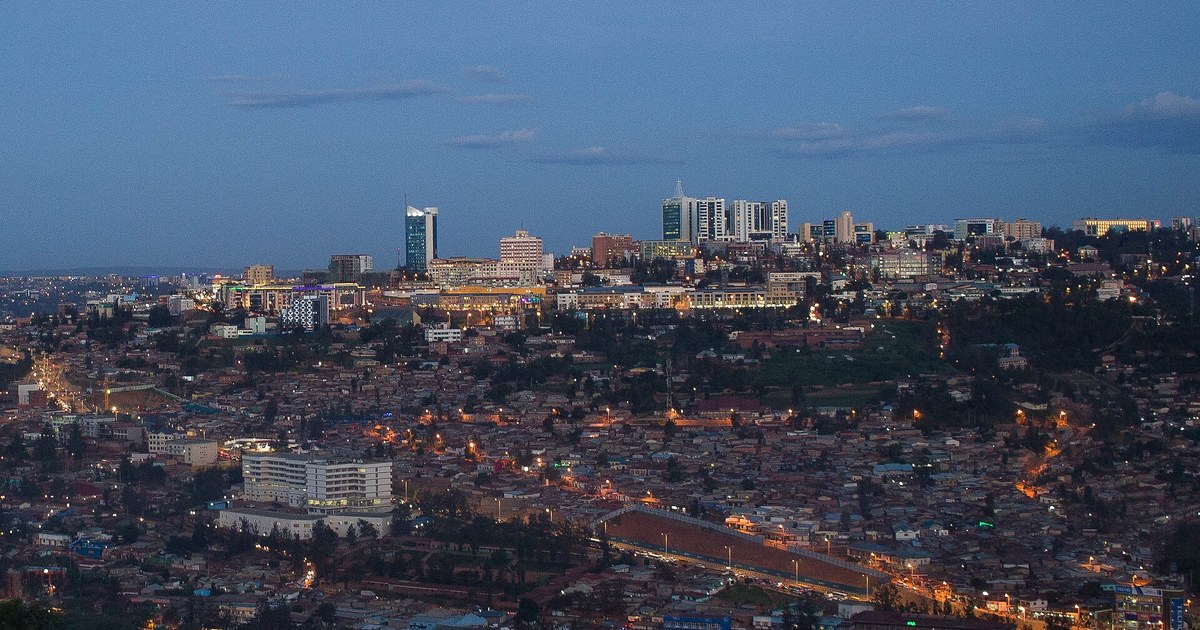
KIGALI — Rwanda is set to become the destination for people Europe wants to deport but cannot send home.
The Netherlands, Denmark, Germany, Greece and Austria announced on 16 November that they are working with Rwanda to establish a "return hub" in the country, as part of a broader partnership. The hub is intended for people who have no right to remain in the European Union, including rejected asylum seekers, when they cannot be returned to their countries of origin.
How it would work
According to the Dutch government, people transferred under the scheme would be housed in an open, temporary facility in Rwanda. From there, they would be able to integrate into Rwandan society, with a right of residence and access to education, the labour market, healthcare and the legal system. They would keep the option of returning to their home countries.
In the first phase, the five European countries will send only single men. The Netherlands says it will focus on people from countries in the same region as Rwanda. Unaccompanied minors are excluded under the EU's Return Regulation.
The European countries will cover the costs, including temporary accommodation. The partners, together with international organisations, will now work out the details, with the first actual transfers expected in 2027. The Dutch government says it will seek to involve the UN refugee agency, UNHCR, and the International Organization for Migration, with which Rwanda has worked closely before.
"Returns are crucial part of a well-functioning asylum system," said the Dutch minister, Van den Brink. "This concrete step must increase returns and provide a new chance for migrants to settle in Rwanda."
Rwanda's second European deal
The announcement puts Rwanda back at the centre of Europe's migration debate. Britain previously agreed a scheme to send asylum seekers to Rwanda, which was scrapped in 2024 without any forced deportation flights having taken off.
The plan has been widely shared and debated on X since it was announced. The Dutch government says the hub will be set up in line with European and international law, and that transfers will fully respect EU rules.
Sources
- Government of the Netherlands: working with Rwanda to establish a return hub
- The Guardian: Five EU states announce plans for immigration 'return hubs' in Rwanda
- AFP: Five European nations plan Rwanda hub for rejected migrants
- Anadolu: Europe's Rwanda deportation hub, what awaits rejected asylum seekers?